Spancil Hill: From the Horse Show House to the Goal Posht

My musical palate was formed by Ric Ocasek, Jean Michel Jarre, Icehouse, Midnight Oil and U2’s early 1990s rebirth. The video jukebox at the Horse Show House had no traditional Irish music that I can recall, and we were fine with that. The background sound of “Hydilly Dydilly music” wasn’t helping anyone get a girl. It wasn’t until my arrival in Chicago in 1990 that I’d be immersed in traditional music. The homesickness caused me to hang out in Molly Malones, Costellos and the Goal Post (pronounced “posht” by half of the crowd who went there, who seemed to all be from Belmullet). Often the traditional music was played by a person on keyboard with a beatbox. My head was full of Achtung Baby and sounds of Manchester and I put up with this other sound so I could be with my tribe.

It was at Costellos where I met a girl who asked if I could sing. “I think so,” I said. “Try,” she said. So I did. I sang MLK by U2. “You sound great. You need to keep singing. Do you play an instrument?” she asked. “No. I’m too old to start now,” I said. I was 23 at the time. She laughed. I never saw her again. That may be when I tapped Al Tinley on the shoulder and signed up at Old Town School of Folk. Being limited to an acoustic guitar and the weekly submersion to American folks may have been the trigger to re-look at Irish folk. I heard a guy at the Goal Posht play Spancil Hill one night. I had heard it growing up but was now hearing it anew. I went home and started to play it. Fortunately it was easy.

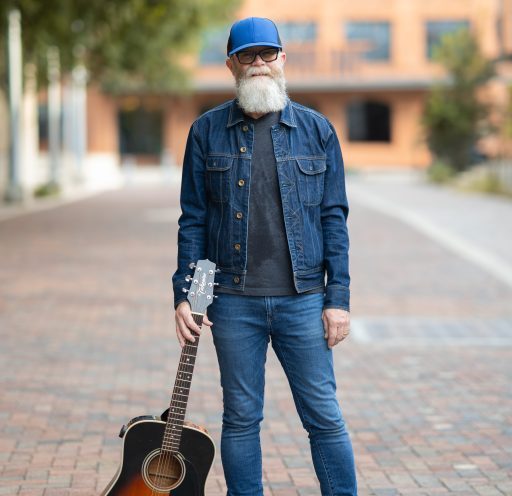
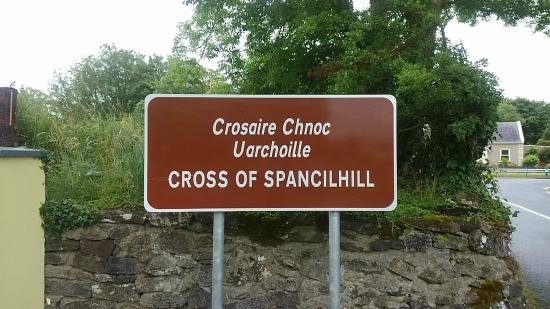
It’s a song with no chorus, so not a singalonger. It’s the story of a homesick Irishman, living in California, perhaps during the gold rush, dreaming of coming home but never able to. The song has a droning sound that sits on an Am foundation. I’ve been playing it the same way for 30 years and had become bored with it. I recently searched for a way to refurbish it, and came across a young Irishman on YouTube who taught me how to play it in Celtic tuning (DADGAD). 

I’ve reworked the song and I’m excited to play it this Saturday night. Unfortunately, the recording here is the original and not the refurbished version. If you’re tuning in from outside, I’ll switch on Facebook live.

Enjoy
The Dutchman – Margaret’s Song

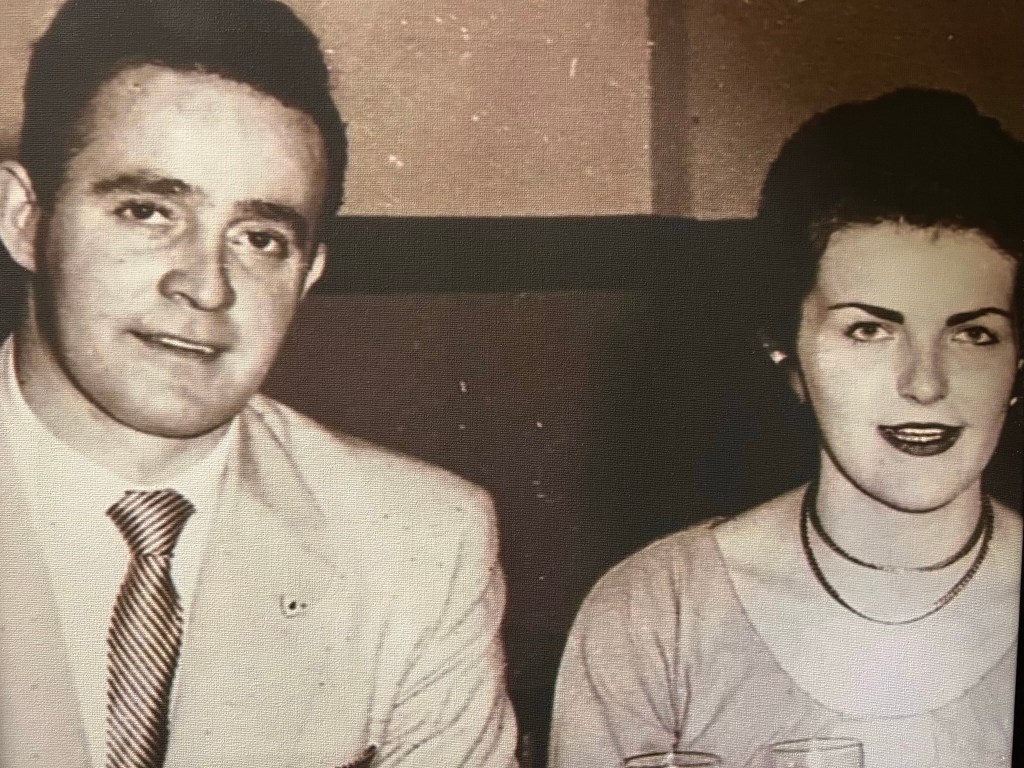
The Dutchman is a beautifully sad song about an old couple from Amsterdam. The old man is in the late stages of dementia and his wife, Margaret, remembers life on his behalf. One of the most profound lines in the song is, “sometimes she sees her unborn children in his eyes,” a line that Brian Adams would later use in a Robin Hood song. It was a song my mother loved, most likely because Margaret was the main character. (My Dad by the way, was sharp as a tack until the end – no parallel for him in the song). It’s a special song because I got to sing it with my sisters in the hospice room when Mom was in her final days over a decade ago. Last December I got a call from Dad. I just knew it would be the last time I’d talk to him. After our call, my sisters played this recording to him. Perhaps they get to listen to it together now.

Written by Chicagoan Michael Smith, it was presented to Liam Clancy who brought it into the Irish psyche where it remained. As they say in America, we are suckers for a sad song. The arrangement I do was completely lifted from fellow Dubliner Al Tinley. I lifted many of his songs in the 90s. Sorry Squid. It’s one of my favorite songs to play because it has a consistent baseline foundation where the thumb rocks back and forth between the low E and D while the fingers come out to play with the melody. Note, they don’t ‘play the melody,’ they come out to play with it, because that’s how it feels every time I play it. It’s as if the thumb is telling the fingers, “I’ve got this, go play.”

This version was recorded in Jesse Roe’s apartment on the north side of Chicago when I was 27 years old. I never tire of playing it.

Enjoy

Ride On- The Song I stole from Skinner

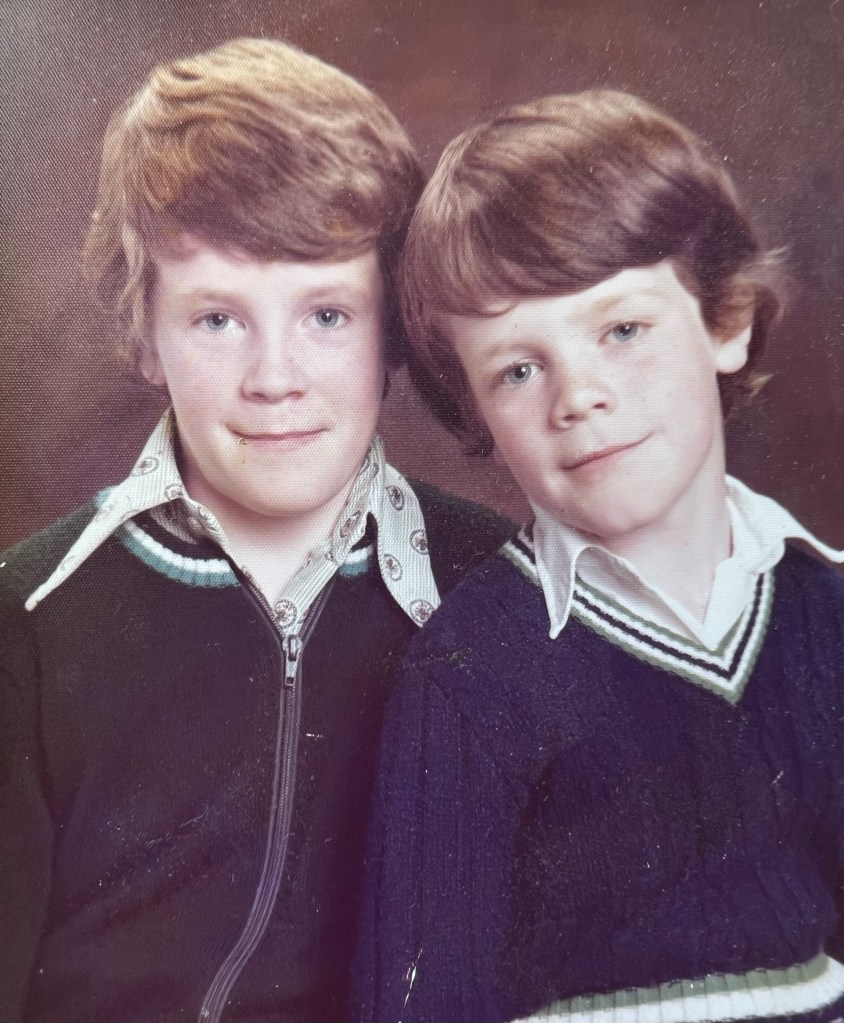
In my memory, Skinner (my big brother Kevin) was the first person to sing this song at his wedding in 1993. I must have heard it before then, I just can’t recall. The thing I love about Skinner is that not knowing the words to a song never stopped him. He just plows through the song with passion, making up words, even words that are not in the English language. I’ve adopted this technique while playing live recently and it works. Nobody notices. They will notice when I smirk, or make a face, or announce that I forgot the words, and of course, if I restart the song. But recently I adopted Kevin’s technique and just made up a few words. At a show in February, after coming off the chorus of Waltzing Matilda, I saw the verse coming around the corner and realized I couldn’t remember it. I didn’t panic. I added some Skinner, and voila!

Ride on was written by Corkman Jimmy McCarthy. I have no idea what it is about. I just started to google that and decided to come here and state I don’t care to know what it is about, because it may steal from the song. It’s another oldy I’ve been playing for almost 30 years. Bridgette and I sang it at our wedding, which, looking back, wasn’t cool as it was Skinner’s wedding song. I am the blackbird of songs; why build your own song when you can snuggle in on someone else’s. I digress. There is a haunting vibe to this song, something ancient, that taps into the Celtic root. In recent years I’ve added the intro guitar lead that appears on Christy Moore’s 1980’s version. I use a looper pedal to record the arpegio, hit playback, and then fill in the lead. It’s the icing that’s been missing on it.

Enjoy